What Is Gold Paydirt? A Complete Beginner's Guide
- Jesse Eads
- Mar 15
- 7 min read

You have probably seen the videos — someone dumps a bag of dirt into a gold pan, sloshes it around in a tub of water, and slowly a few flakes of real gold appear at the bottom. It looks simple, satisfying, and a little addictive. But if you have never bought paydirt before, you probably have a few basic questions.
What exactly is that stuff? Where does the gold come from? Is it a scam? And what do you actually need to get started?
This post answers all of it. By the end, you will know exactly what gold paydirt is, what to expect when you buy it, and how to get started without wasting money on the wrong thing.

What Paydirt Actually Is
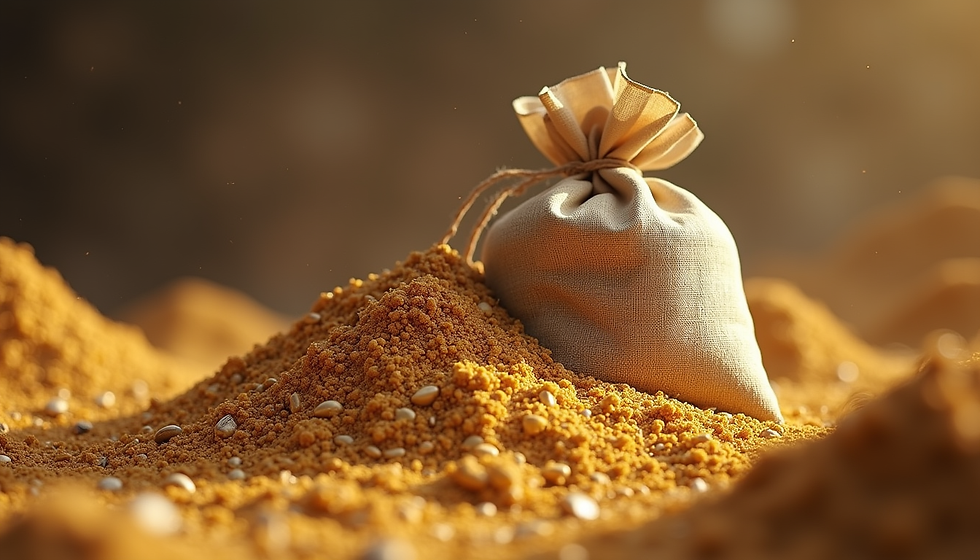
Gold paydirt is real, gold-bearing dirt and gravel that has been processed and packaged for home panning. The gold inside is genuine — not fake, not plated, not a trick.
The term "pay dirt" goes back to the old mining era, when prospectors would say they had struck "pay dirt" if a patch of ground was rich enough in gold to be worth working. Dirt that paid off. The term stuck, and today it describes bagged material that carries on that same idea: dirt that contains real gold, sold to hobbyists who want to experience the hunt from home.
Vendors source their material from working gold claims — real properties with proven gold-bearing ground. The raw material gets classified (sorted by particle size), cleaned, and loaded up with a measured amount of gold before being sealed and shipped to you. Every legitimate bag comes with a guaranteed minimum gold weight, which tells you exactly how much gold is inside.
Why People Buy It
The honest answer is that people buy paydirt for a lot of different reasons, and almost none of them are about turning a profit.
Practice and skill-building. Gold panning is a real technique. Getting good at it — learning to read your pan, control the water, and isolate fine gold without losing it — takes repetition. Paydirt gives you a consistent, repeatable way to practice.
Entertainment and relaxation. There is something genuinely meditative about panning. The rhythm of the water, the anticipation of seeing color, the satisfaction of collecting your finds in a vial. A lot of buyers describe it as stress relief.
Content creation. Unboxing and panning videos perform well on YouTube and social media. Many buyers are hobbyist creators who enjoy sharing the experience as much as the gold itself.
Stacking real gold over time. Every bag you pan adds a little more gold to your collection. It is not a fast way to accumulate gold, but the gold you keep is real and has real value.
Gifts. Paydirt makes an excellent gift for anyone with an interest in the outdoors, mining history, or hands-on hobbies. It is unique, tangible, and more interesting than most things you can buy for $50.
How Paydirt Is Made
The process starts at the source. Vendors work with gold claims — mining properties where gold is known to occur — and extract raw material from those sites. Some vendors own their claims outright; others have long-term agreements with claim holders.
That raw material gets processed before it reaches you. It is classified, meaning it is run through screens to sort it into consistent particle sizes. Oversize rocks and fines that pan poorly get removed. The remaining material gets cleaned, and then a measured amount of gold — flakes, pickers, sometimes small nuggets — is added to bring the bag up to its stated guarantee.
The final product gets weighed, sealed, and packaged. When you see a bag that says "guaranteed 1 gram of gold," that is not a marketing estimate. It is the minimum amount of gold that was put into that bag before it was sealed.
Reputable vendors track this carefully. If they cannot state a guaranteed minimum, that is a red flag worth taking seriously.
What's Inside a Typical Bag
Open a bag of paydirt and here is what you are looking at:
Dirt and gravel — the bulk of the material, sized for panning. Some bags run coarser, some finer.
Black sand — a natural byproduct of gold-bearing ground. Magnetite and other heavy minerals that concentrate alongside gold. Black sand is your friend: it tells you the stratification is working.
Gold — the guaranteed flakes, pickers, or occasional small nuggets. Most bags in the $50–$200 range contain fine to medium flakes and a picker or two. Higher-end bags may include small nuggets or a higher density of material.
Bonus items — many vendors toss in extras: gemstones, mineral specimens, small crystals, or even the occasional arrowhead. These are not part of the gold guarantee but add to the fun.
The bag weight (usually listed in pounds) is the total weight of all that material combined. Do not confuse it with the gold weight — a 3-pound bag might contain anywhere from 0.25 grams to 3+ grams of gold depending on the vendor and product tier.
What Equipment You Need
You do not need much to get started. Here is the basic setup:
Gold pan — a shallow, ridged plastic or metal pan designed for separating gold from lighter material. A 10" or 14" pan works fine for most paydirt bags.
Classifier — a mesh screen that sits on top of your pan or bucket. You pour your paydirt through it first to remove oversized material and make panning easier.
Tub or bucket of water — you pan inside a tub so you do not lose any material. A plastic storage tote from a hardware store works perfectly.
Snuffer bottle — a small squeeze bottle with a narrow tip, used to pick up and collect gold flakes from the bottom of your pan without losing them.
Gold vial — a small clear vial to store your recovered gold. Most starter kits include one.
That is genuinely it. You can find a basic starter kit that includes a pan, classifier, snuffer bottle, and vial for under $30. The paydirt itself is the main expense.
How to Pan It: The Short Version
The full technique takes a little practice to master, but the basics are straightforward:
Classify your material. Pour the bag through your classifier into the tub of water. Break up clumps by hand. Discard what does not pass through the screen.
Submerge and stratify. Place your pan under the water and shake it side to side. This causes the heavier material — including gold — to sink to the bottom of the pan.
Wash off the light material. Tilt the pan slightly forward and use gentle water motion to wash lighter dirt and gravel off the top, a little at a time. Keep the pan mostly submerged.
Work down to black sand. Keep stratifying and washing until you are left with just black sand and any gold at the bottom of your pan.
Isolate the gold. Tilt the pan under shallow water and let the black sand spread out slowly until you can see the gold. Use your snuffer bottle to collect it.
Transfer to your vial. Squeeze the snuffer bottle gently into your vial and watch your collection grow.
The whole process for one bag typically takes 20–45 minutes depending on bag size and your technique. It gets faster with practice.
The Most Important Number: Guaranteed Gold Weight
If there is one thing to take away from this guide before you buy your first bag, it is this: always buy from sellers who state a guaranteed minimum gold weight in grams.
The guaranteed gold weight is what makes the purchase rational. It tells you exactly how much gold you are getting, which lets you calculate the real value of the bag before you spend a dollar. No guarantee means no way to evaluate what you are buying.
Most reputable vendors list their guarantee clearly — something like "guaranteed 1 gram of gold minimum." Some offer multiple bag sizes at different guarantee levels. That number is the foundation of every smart paydirt purchase.
For a full breakdown of how to use the guaranteed weight to calculate value and compare bags, check out our post How to Compare Gold Paydirt Like a Pro.
What to Realistically Expect
Let's be direct: you are not going to get rich panning paydirt. That is not what it is for.
On average, the gold you recover from a bag is worth somewhere between 50% and 99% of what you paid. The gap covers the vendor's costs — sourcing, processing, packaging, shipping, and running a business. Think of it like buying movie tickets: you are paying for an experience that happens to include a tangible souvenir at the end.
The sweet spot for value-focused buyers is ROI in the 85–97% range, which means a large chunk of what you spend comes back to you as real, keepable gold. Gold that you own. Gold that has actual market value.
The best paydirt buyers are people who enjoy the process and appreciate the gold as a bonus. The worst experience is buying paydirt expecting to make money — you will always be disappointed.
Where to Start
If you are ready to buy your first bag, the hardest part is figuring out which product to choose. There are over 20 vendors selling online right now, with everything from budget starter bags to premium nugget-rich offerings.
Our live comparison chart tracks 77+ products from 20+ vendors, updated three times a day using current gold spot pricing. It shows you the ROI, guaranteed gold weight, total price with shipping, and vendor information all in one place — so you can find the best value for your budget without doing the math yourself.
And if you want to get comfortable evaluating bags before you commit, read How to Compare Gold Paydirt Like a Pro first. It walks through the ROI calculation, the key metrics, and exactly how to use the comparison chart.
The Bottom Line
Gold paydirt is real gold-bearing material, professionally processed and packaged for home panning. The gold inside is genuine. The technique is learnable. The equipment is cheap. And the experience — watching real gold appear in your pan — is genuinely satisfying.
You are not buying a lottery ticket. You are buying a hobby that pays a dividend in real gold and real enjoyment.
Start with a well-reviewed bag at a budget you are comfortable with, get your basic kit together, and go from there. The comparison chart will show you exactly what is available and what it is worth today.


Comments